
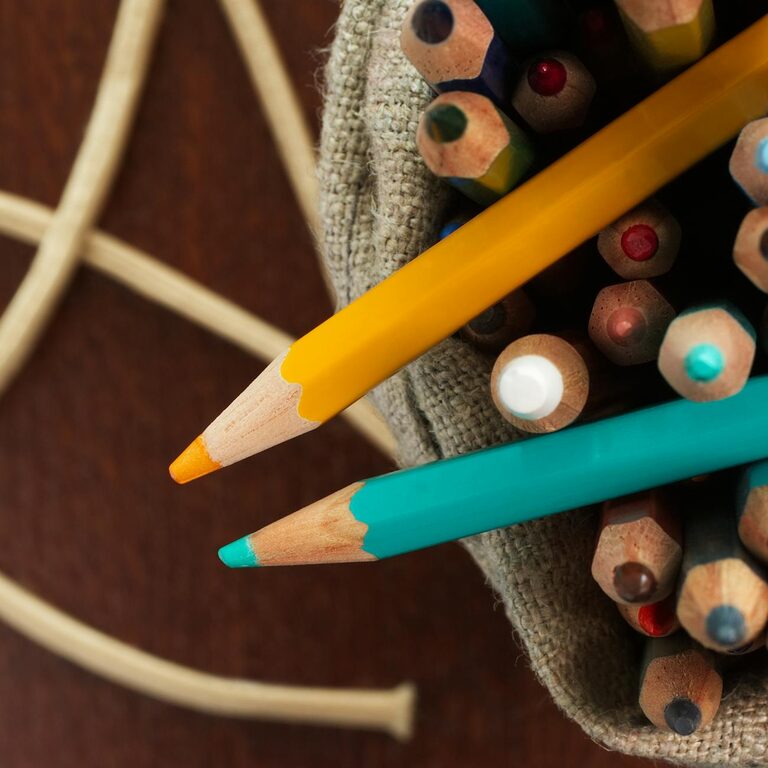
Bringing home your child’s latest masterpiece can be a source of pride and joy. However, over time, those colorful drawings, paintings, and crafts can pile up, resulting in clutter and chaos. Organizing kids’ art not only helps manage the mess but also preserves precious memories for years to come. In this post, we’ll share practical and creative tips to keep your child’s artwork organized, so you can enjoy their creativity without feeling overwhelmed.
Why Organizing Kids’ Art Matters
Kids’ artwork reflects their growth, creativity, and individuality. Storing it in an organized way helps:
– Preserve memories you and your child can revisit.
– Encourage your child’s artistic confidence.
– Keep your home tidy and clutter-free.
– Make it easy to share art with friends and family.
– Create lasting keepsakes or gifts.
Now, let’s explore some easy strategies to organize kids’ art effectively.
Set Up a Dedicated Art Space
Creating a special area for your child’s artwork is the first step toward organization.
Art Station or Corner
– Designate a drawer, shelf, or corner in your home specifically for art supplies and finished pieces.
– Choose child-friendly storage solutions like bins, trays, or portfolios.
– Make it accessible so your child can proudly place or retrieve their creations.
Display Area
– Use a corkboard, magnetic board, or string with clothespins to showcase current favorites.
– Rotate artwork regularly to keep the display fresh and exciting.
– This also allows your child to feel proud of their work and makes organization fun.
Sort and Categorize Artwork
Sorting is essential before deciding what to keep and how to store it.
Decide What to Keep
– Involve your child in choosing their favorite pieces.
– Decide if all artwork should be kept or only selected ones.
– Consider keeping milestones like first drawings or special projects.
Categorize by Type or Date
– Group artwork by type: drawings, paintings, crafts, school projects.
– Alternatively, sort by age or grade level.
– Label storage containers accordingly for easy retrieval.
Storage Solutions for Kids’ Art
Here are some practical ways to store artwork depending on space and preferences:
Portfolios and Binder Books
– Use large artist portfolios or expandable files for flat art.
– Clear plastic sleeves protect the artwork and keep it organized.
– Binders can be labeled by year or theme.
Digital Archives
– Photograph or scan artwork to create digital backups.
– Apps and cloud storage services help organize and share images.
– This method saves space and reduces physical clutter.
Art Boxes and Containers
– Store 3D crafts and bulky items in labeled plastic bins.
– Choose stackable containers to save space.
– Use acid-free tissue paper for delicate items to avoid damage.
Wall Frames and Collages
– Invest in multi-opening frames or collage boards for special pieces.
– Rotate displayed art seasonally.
– This turns stored art into eye-catching decoration.
Create Art Books and Gifts
Turn your child’s collection into special keepsakes.
DIY Art Books
– Print photo books of scanned artwork using online services.
– Add captions or stories for a personal touch.
– These are easier to store and fun to look through together.
Gifts for Family
– Use artwork to create personalized gifts like calendars, mugs, or cards.
– Grandparents and relatives often love receiving art-based presents.
– This also helps reduce the art pile while spreading joy.
Set a Regular Review Schedule
Art organization isn’t a one-time task. Make it part of your routine.
– Schedule monthly or quarterly “art reviews” with your child.
– Decide which new pieces to keep, display, digitize, or recycle.
– This helps maintain order and prevents overwhelming accumulation.
Encourage Kids to Organize Their Own Art
Teaching kids simple organization skills builds responsibility.
– Provide labels, bins, or folders they can use themselves.
– Guide them in sorting and storing with positive feedback.
– Celebrate their efforts to keep their creations neat.
Final Thoughts
Organizing your child’s artwork can feel challenging, but with these tips, it becomes manageable and enjoyable. By setting up dedicated spaces, sorting thoughtfully, using smart storage solutions, and involving your child, you’ll preserve precious memories and keep your home clutter-free. Most importantly, celebrating your child’s creativity through organized displays or keepsakes helps nurture their confidence and imagination for years to come.
Try these ideas today and watch both your child’s art collection and your home stay beautifully organized!